

Add your title here
This is the text area for this paragraph. To change it, simply click and start typing. Once you've added your content, you can customize its design by using different colors, fonts, font sizes and bullets. Just highlight the words you want to design and choose from the various options in the text editing bar. This is the text area for this paragraph. To change it, simply click and start typing. After adding your content, you can customize it.
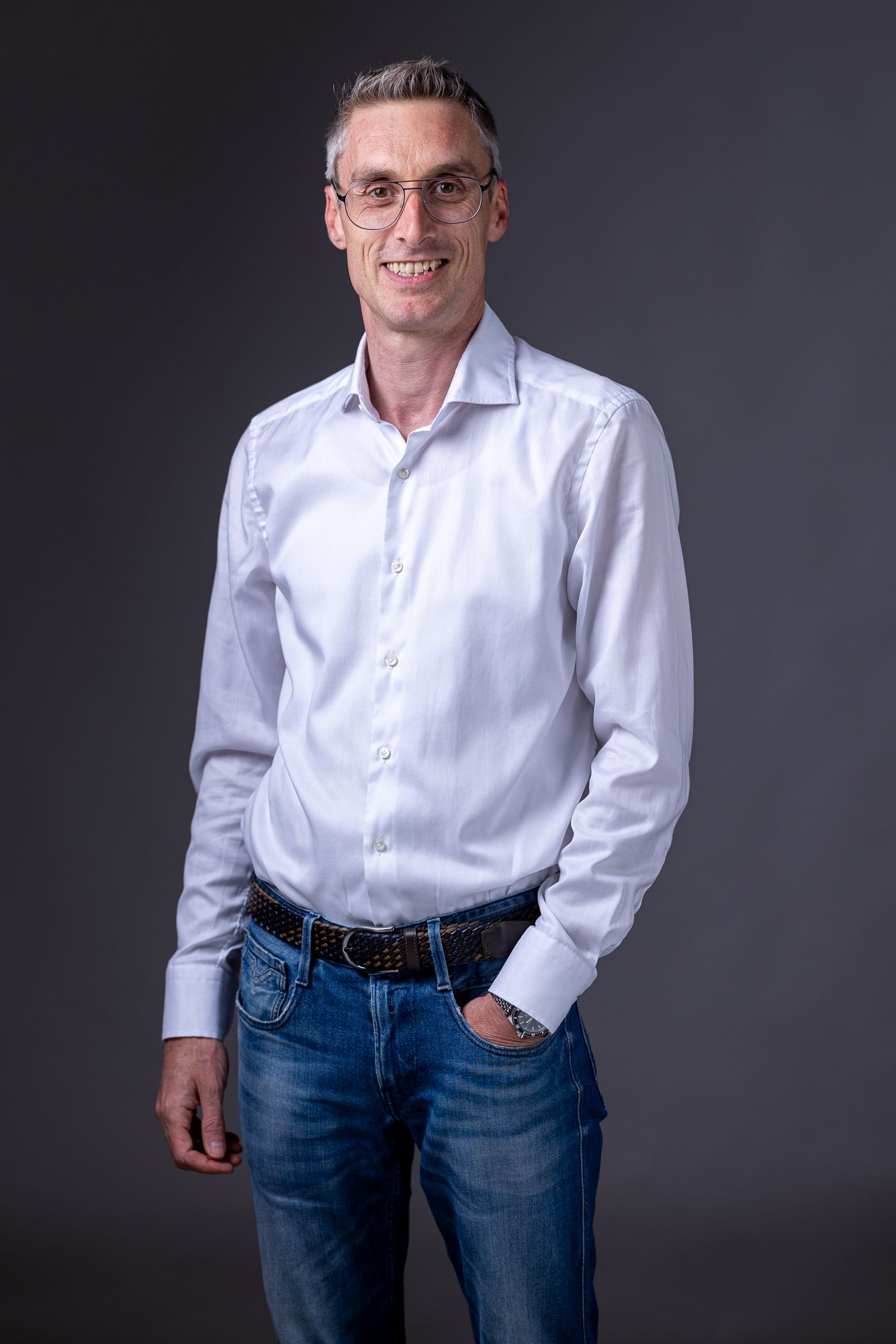
Hannes Alton
ORGANIZATIONAL ARCHITECT | CODP®
Work the system, not the people.
Structure shapes behavior. Behavior shapes culture. When an organization doesn't work the way it should, the cause is rarely the people - it lies in what the system asks of them.
That insight has stayed with me since my studies in organizational sociology. And sixteen years in operational, strategic, and executive roles - across international industrial companies and consulting practice - have only reinforced it.

My philosophy
Most organizations are an accident of history.
They are shaped by growth cycles, crises, and compromises - rarely by deliberate decisions.
At some point, leaders notice that the same problems keep surfacing in different forms, in different places. That's not a leadership failure. It's a signal from the system.
Organizational design starts precisely there: with structures, accountabilities, and decision pathways that produce this behavior - so that the organization can do what it intends to do.
Organizational development and organizational design are often used interchangeably. They are fundamentally different approaches. Organizational design is structural - it changes the conditions. Organizational development works on behavior within those conditions. Both are needed - but in the right sequence.
I work co-creatively - because an organization that understands its own design can keep developing it.
Strategy. Organization. People. Three levels – one system.
Two fields, one starting question: what does this organization need to achieve - and what does it need to get there?
Organizational design answers that question at the systems level. It determines how work is divided, coordinated, and how decisions are made.
Strategic HR management ensures that strategy and organization don't break down at the human level - through strategic workforce planning, targeted capability building, and data-based decision making.
The two fields can't be meaningfully separated. An organization can't be designed without knowing what people, competencies, and capabilities it needs. And HR can't act strategically without the structural reference frame of the organization. Work architecture - how work is designed, distributed, and developed - is the connective foundation of both disciplines.
What has shaped me
I spent more than 16 years in international industrial companies - in operational, strategic, and executive HR functions. Projects took me to China, Sweden, the UK, and Germany.
In 2019, I went independent. Since then, I have worked on mandates in Germany, the UK, France, and the Italian-speaking region, as well as for a semi-public EU institution.
My thinking is shaped by both traditions of systems theory - the Anglo-Saxon, pragmatic one as much as the German, theoretical one. What fascinates me about both is the same underlying question: how do complex systems work - and how can they be intentionally designed?
Context

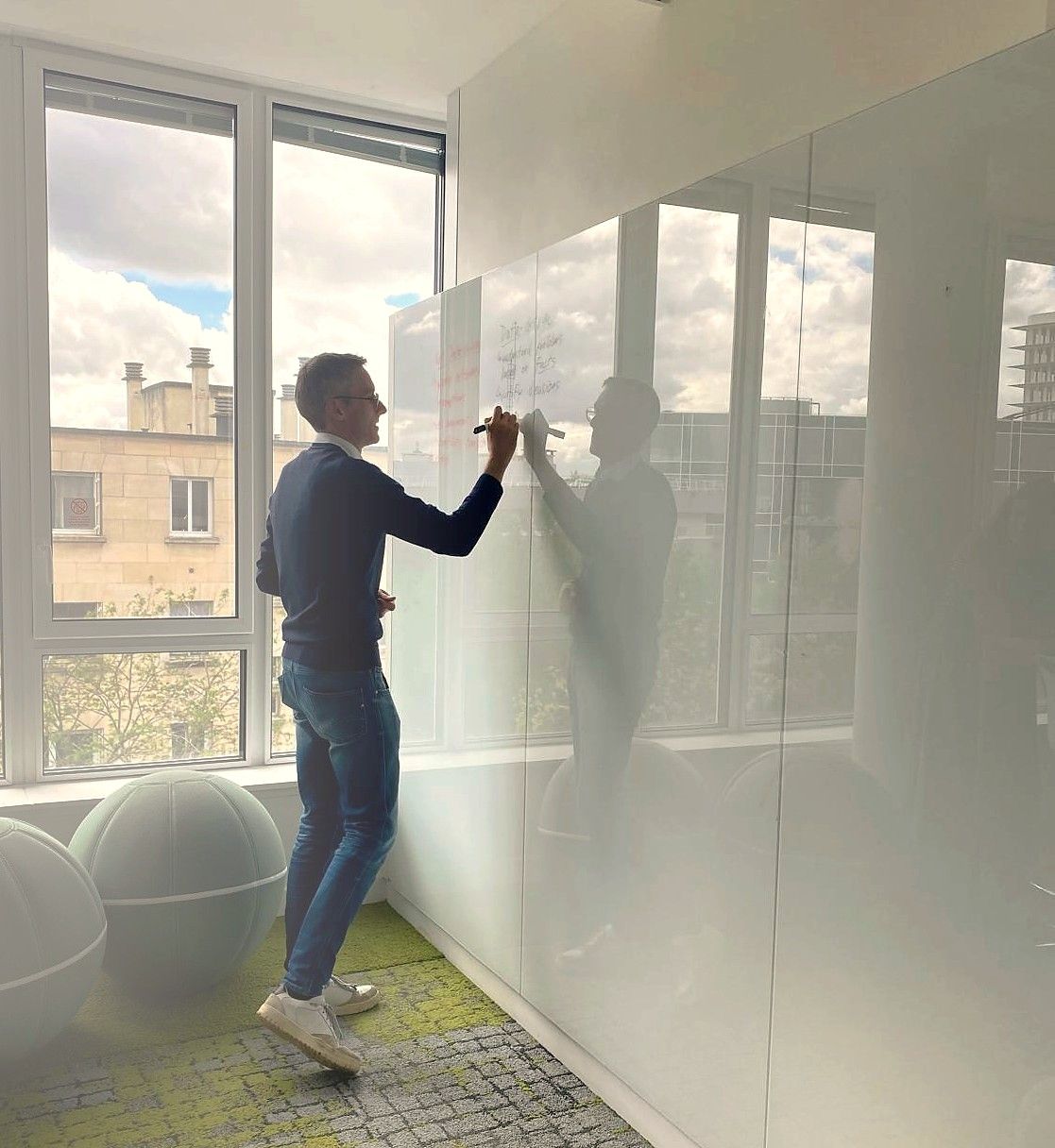
As one of approximately 200 Certified Organisation Design Professionals (CODP®) worldwide, I am part of a global network of recognized experts in organizational design.
My work as an Associate Consultant at the Roffey Park Institute (UK) and membership in international professional communities keep me close to what is developing globally in this field - in methods, debates, and perspectives.
That gives my clients access to thinking that goes beyond the local horizon - without losing the connection to practice.