


Designingfuture-fitorganizations.


HR and organizational consulting


Future viability is no accident.

It is the result of conscious design.


Organization and HR play a central role in this.


I help companies prepare their organization for the challenges of the future.

With the aim of creating an effective architecture for collaboration.

It determines how efficient, adaptable, and capable a company is of learning.


Such an architecture emerges from the interplay of organizational design (system), organizational development (behavior & cooperation) and strategic HR work, which combines strategy, organization and HR into an integrated, future-proof whole.


Why settle for mere survival when you can shape the future?


➔ Learn more


Excerpt of my previous project partners.


Slide title

Slide description

Slide title

Slide description

Slide title

Slide description

Slide title

Slide description

Slide title

Slide description

Slide title

Slide description

1. Future viability requires design

Future viability means recognizing changes early and preparing for them in a targeted manner.

It arises when the company:


  • understands where it stands today and what it needs for a successful future,
  • develops and implements solutions that combine short-term performance with long-term transformation, and
  • creates a culture that strengthens trust and enables effective collaboration.


This is how companies can remain successful even under dynamic conditions.

2 My approach


Change succeeds when it is understood as a learning-oriented, adaptable process.


With the Puzzle Transformation method I developed, companies succeed in remaining capable of acting under dynamic conditions.

Based on the vision of the future, measures are translated into projects and implemented step by step.


1. Develop a vision for the future - clarify goals


Developing a shared vision for the future as a point of reference.


2. Understanding the system


Understanding how the system works today.


3. Define measures - Measures architecture


Deriving the measures necessary to achieve the target state.


4. Implement measures


The measures will be implemented gradually to avoid overwhelming people and systems.


5. Learning & Adapting - System Response


Verification of whether the measures have the desired effect and what the system learns from them.


Puzzle Transformation is an operating system for change that balances stability and adaptability.

In this way, change does not remain the exception, but becomes a capability of the organization.


A good system requires less work over time.

Bill Mollison

Organisationsentwicklung im Unternehmen visualisiert – Mitarbeitende im Dialog

3 challenges

  • 1. Develop strategies that deliver quick results and build future viability.

    Today, companies must deliver results while simultaneously preparing for an uncertain future. Strategies that combine operational effectiveness with a long-term focus are an essential component.


    Goal: An organization that strengthens both performance and future viability.

  • 2. Reduce bureaucracy and improve cooperation.
    Internal complexity slows down decision-making and stifles innovation. Simplifying structures and processes creates clarity and fosters collaboration.


    Goal: An organization that is focused, acts effectively, and adapts quickly to changing circumstances.

  • 3. HR Transformation: From Service to Strategic Business Function
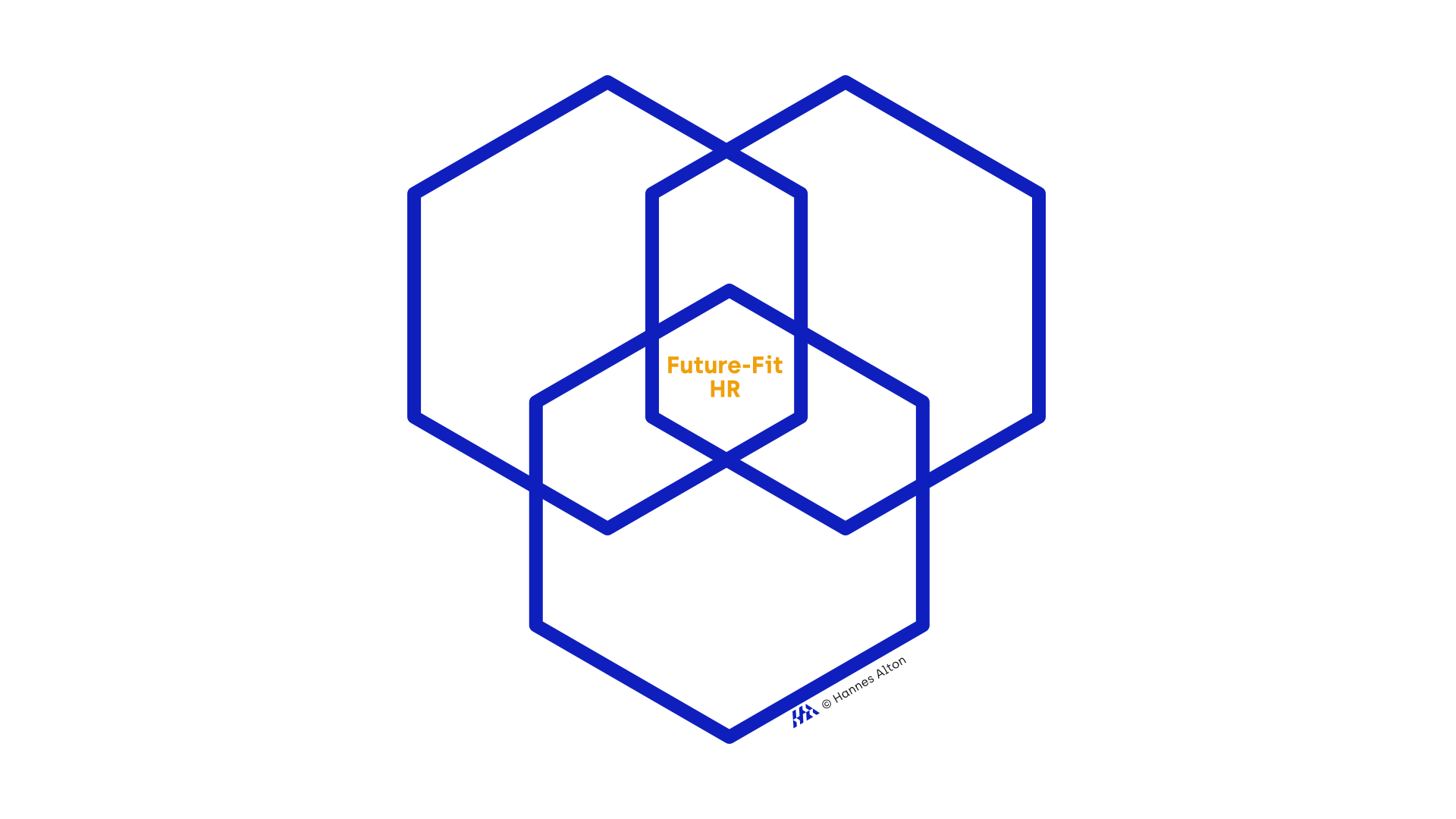
    Demographic change and evolving labor markets present HR with new challenges that require a rethink. Strategic workforce planning, succession planning, talent management, and people analytics are becoming business-critical tools.


    Goal: An HR department that generates added value, acts proactively, and actively shapes the future of the company.

  • 4. Teams as a central building block of effective organizations.
    Teams are the foundation of modern organizations. Properly designed and networked, they make a significant contribution to the company's performance, adaptability, and learning capacity.


    Goal: Teams that take responsibility, act as semi-autonomous units, and achieve exceptional results together.


  • 5. Secure business-critical skills and build new skills.
    Technological developments, new business models, and demographic change are altering the demands placed on companies. Companies need to know which skills ensure business success today and which skills will be needed in the future.


    Goal: An organization that secures existing strengths, systematically builds new competencies, and continuously learns.