

Organizations don’t have the necessary capabilities.
This is a significant business challenge.
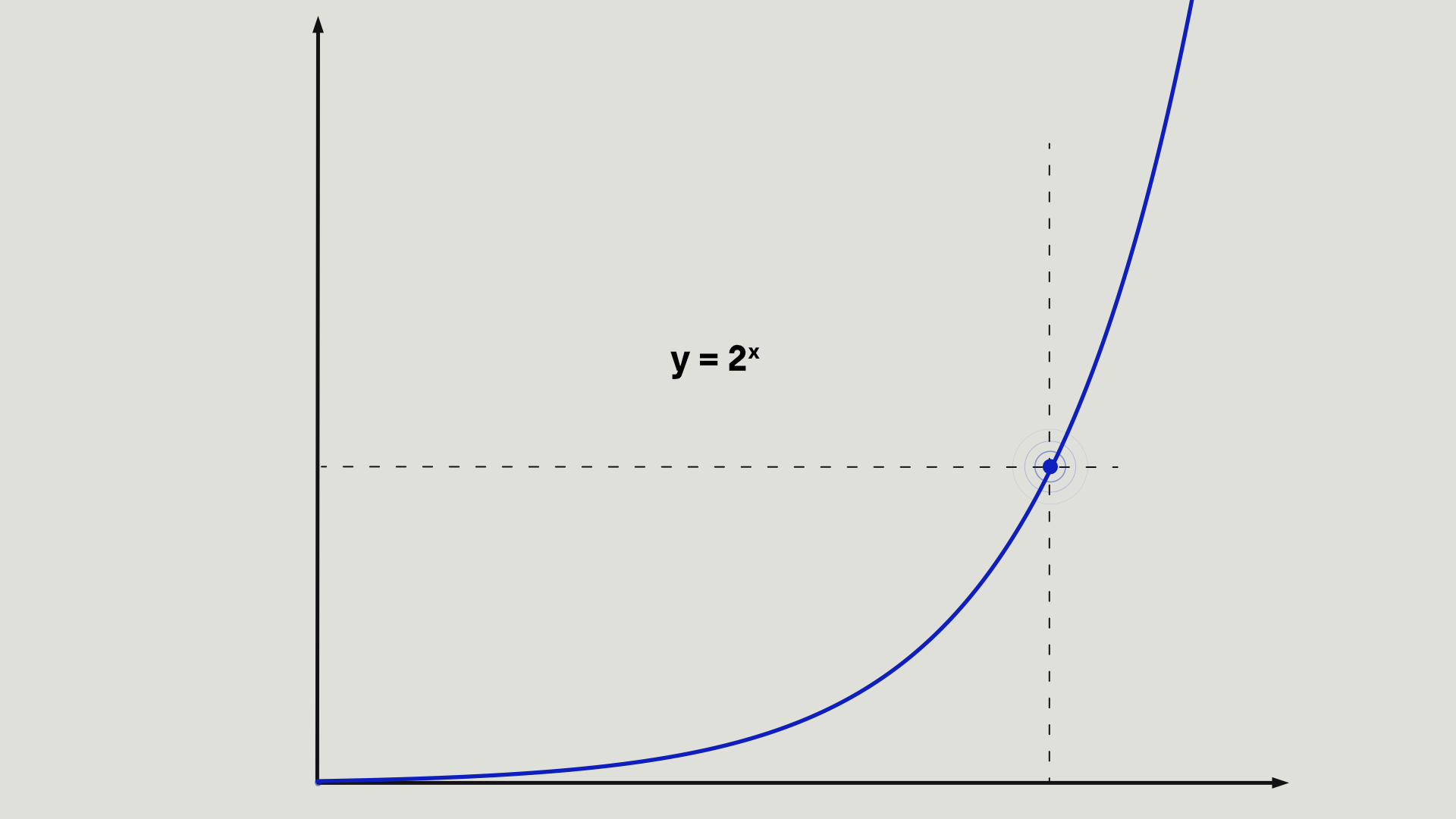
📈 The demand for future-critical skills is increasing, 📉 while the supply of these skills is decreasing.
⚙️ At the same time, technological progress is making other skills obsolete.
As a result, skill gaps are emerging, leading to two main consequences:
→ Companies struggle to achieve their strategic goals.
→ Their ability to adapt and innovate is weakened.
Skills gaps are not challenges for the future; they are already a present reality.
Strategic workforce planning is one of the most effective approaches to address this challenge.
According to McKinsey's HR Monitor 2025, most companies still operate with an annual planning cycle. Only a small percentage think beyond the budget year and engage in strategic planning.
To close capability gaps, organizations need to answer three fundamental questions:
🔍 Which business-critical skills will be essential for the future?
👥 Who holds the key positions in the organization? (In most cases, these are not the managers.)
⏱️ How long does it take for new employees to become productive? (Known as Time to Productivity or TTP.)
For effective strategic workforce planning, strategy, organization, and HR should be seen as an integrated system.
💭 What is the Time to Productivity (TTP) for your key positions today?