

You’ve chosen a terrific way of integrating images and text into your website. Move the image anywhere you want in this container and thEvery position in an organization comes with different costs.
Obvious, personnel costs.
But it’s the hidden costs that cast recruiting in a very different light.
Many companies think in headcount.
The required number of employees is typically outlined in the budget.
Once a new hire joins, a box is ticked, as if that person were productive from day one.
But that’s not how it works.
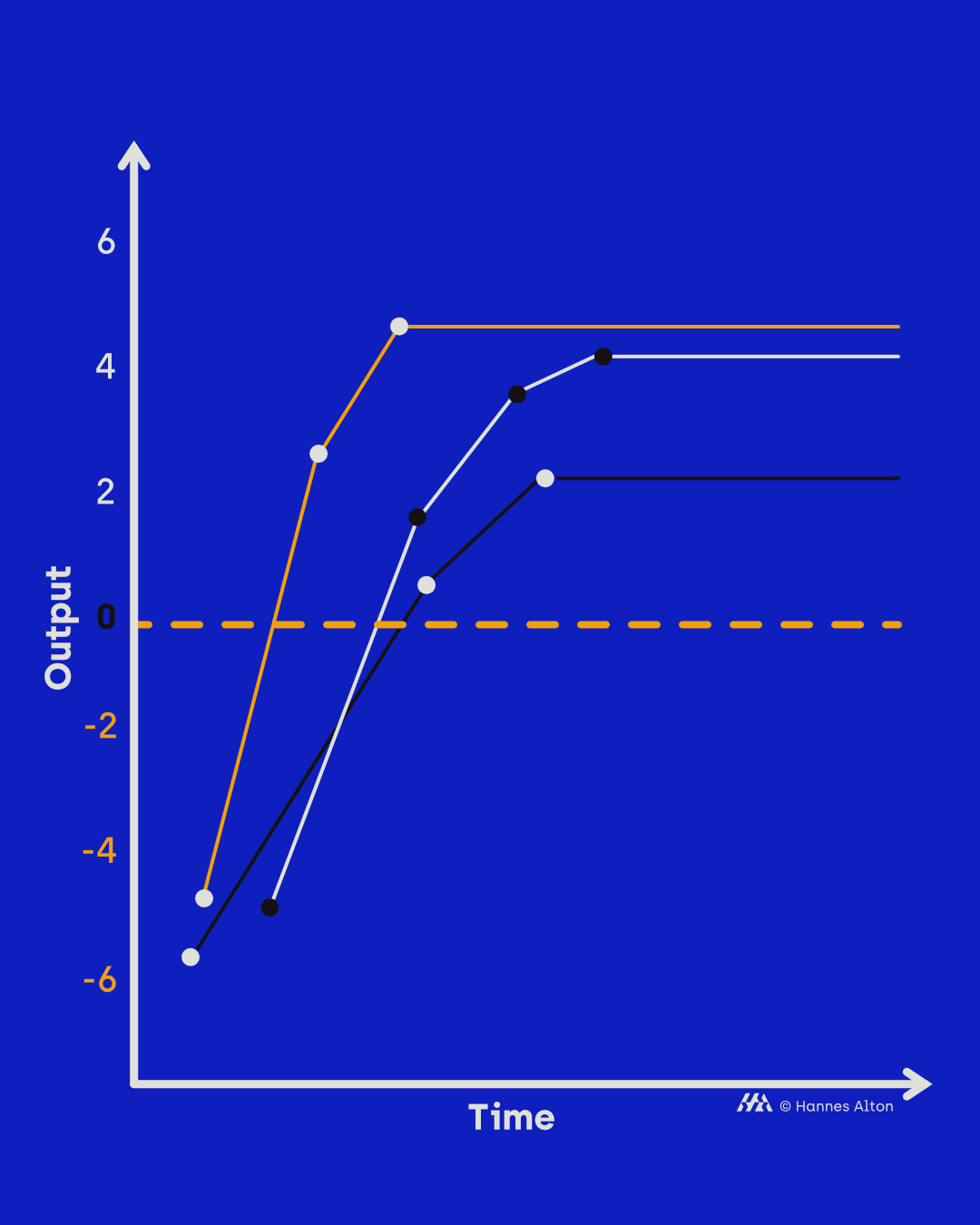
Time to Productivity refers to the average time it takes for a new employee to create added value for the company.
In other words: 👉 Return on Investment (RoI).
And this metric varies by role.
It depends on:
- the required seniority level,
- the availability of talent with the necessary skill set, and
- the organization’s strategic priorities.
Companies that know the Time to Productivity (TTP) of their roles have a clear advantage.
Especially in a tight labor market.
They can plan recruitment lead times based on role-specific needs, without forcing HR into reactive mode.
TTP supports strategic personnel planning, ensuring the organization always has the necessary skills in the right numbers and at the right time.
Previously invisible costs become visible and harder to ignore.
💰 Filling certain positions can incur costs of up to 200% of annual personnel costs, often without companies realizing it.
TTP becomes particularly powerful when combined with the identification of key positions and talent management.
💭 Which roles in your company have the highest Time to Productivity?Every position in an organization comes with different costs.
Obvious, personnel costs.
But it’s the hidden costs that cast recruiting in a very different light.
Many companies think in headcount.
The required number of employees is typically outlined in the budget.
Once a new hire joins, a box is ticked, as if that person were productive from day one.
But that’s not how it works.
Time to Productivity refers to the average time it takes for a new employee to create added value for the company.
In other words: 👉 Return on Investment (RoI).
And this metric varies by role.
It depends on:
- the required seniority level,
- the availability of talent with the necessary skill set, and
- the organization’s strategic priorities.
Companies that know the Time to Productivity (TTP) of their roles have a clear advantage.
Especially in a tight labor market.
They can plan recruitment lead times based on role-specific needs, without forcing HR into reactive mode.
TTP supports strategic personnel planning, ensuring the organization always has the necessary skills in the right numbers and at the right time.
Previously invisible costs become visible and harder to ignore.
💰 Filling certain positions can incur costs of up to 200% of annual personnel costs, often without companies realizing it.
TTP becomes particularly powerful when combined with the identification of key positions and talent management.
💭 Which roles in your company have the highest Time to Productivity?