

The company has a problem without even realizing it.
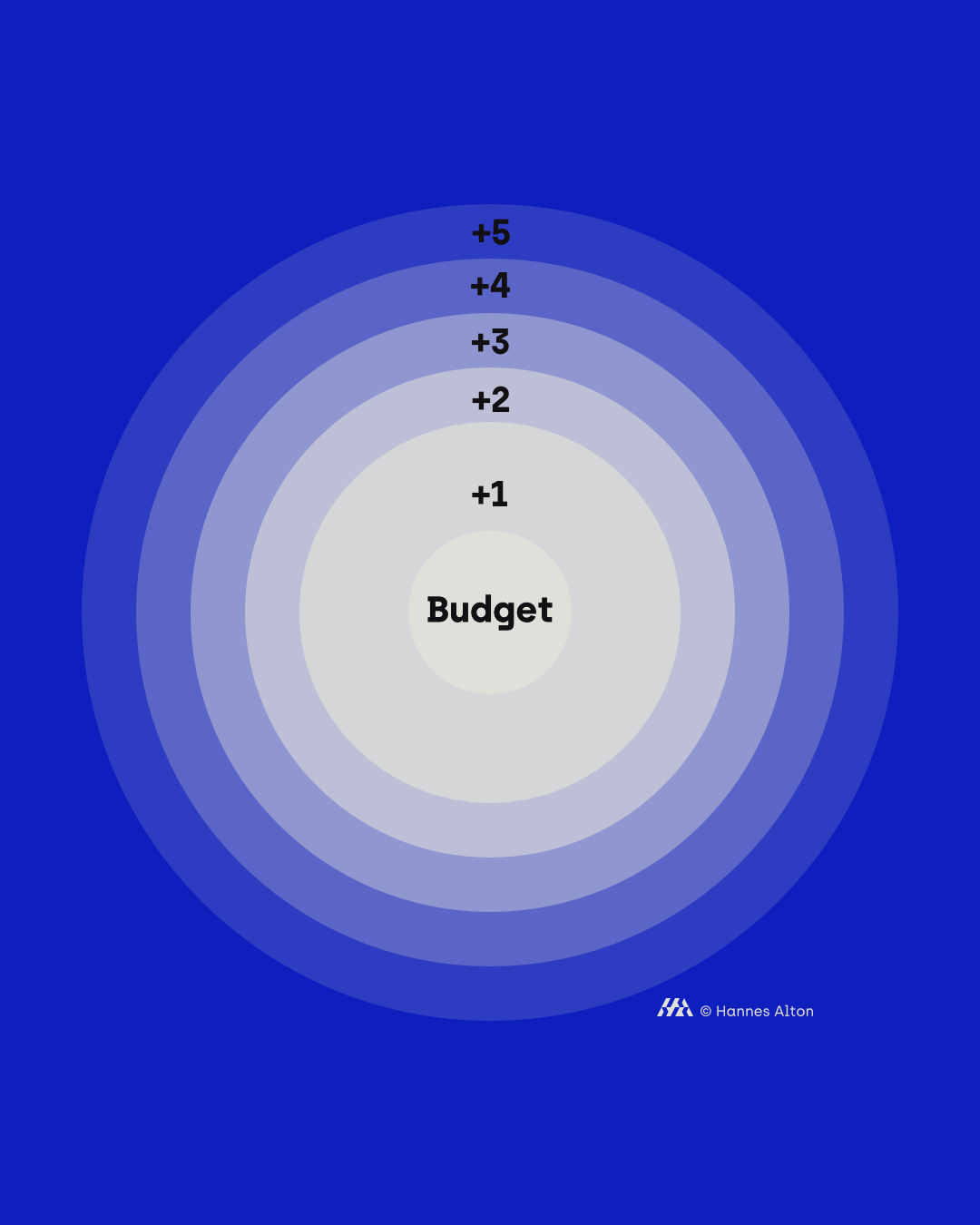
📅 Budget cycles typically last one year and primarily focus on staffing levels and numbers. This approach falls short in achieving strategic goals and developing organizational capabilities.
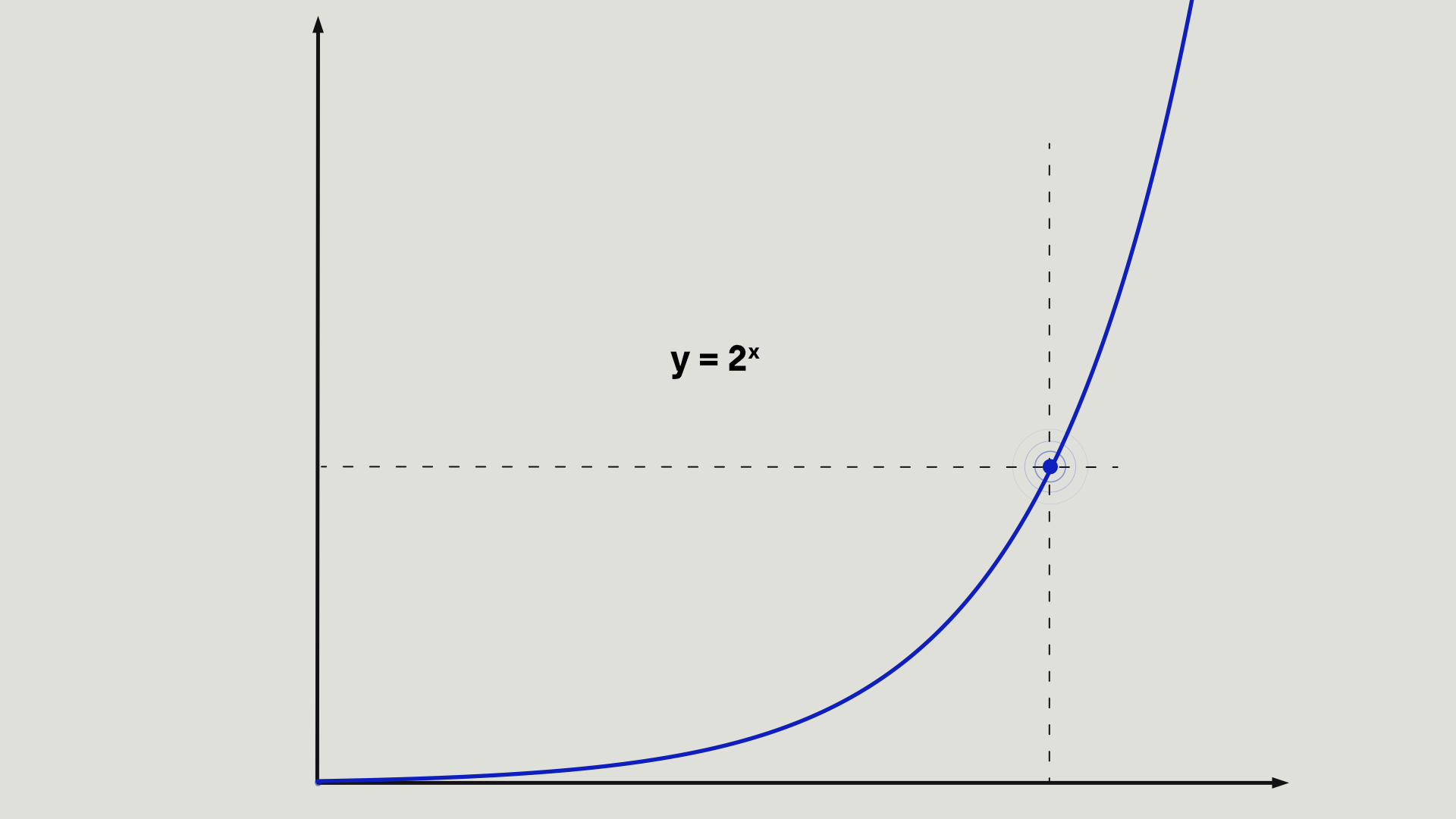
This limitation arises because markets, technologies, and competencies evolve over entirely different time frames.
📉 In addition, there are demographic, technological, and geopolitical developments that organizations must respond to to remain competitive.
👥 However, closing skills gaps through recruitment is becoming increasingly challenging due to labor shortages.
📚 Programs for the systematic transfer of knowledge are also insufficient. The problem lies not in the transfer of explicit (documented) knowledge, but in implicit knowledge (experiential knowledge).
A planning horizon of one year is not sufficient for this.
Skills gaps often only become apparent when key position holders leave the company. And as long as it is not clear who these people are, employee retention programs remain ineffective.
🧭 The first step in successful strategic workforce planning is to truly understand the strategy, organization, and current employee structure.
And this is where many companies struggle. They view strategy, organization, and HR separately and think in terms of budget cycles rather than time horizons.
💭 What stops organizations from planning beyond the budget year?