

At Some Point, the System Tips.
Usually When You Least Expect It.
Why growth pushes organizations to their limits - and what that has to do with organizational design.
At some point, the system tips. Usually when you least expect it.
The company grows. New people join. What used to be resolved in a quick conversation suddenly requires three meetings. Decisions take longer. The boundaries of who is responsible for what blur. The organization waits for a decision that only one person can make. You work harder than ever, and yet the feeling of control fades.
The instinct says: more rules. More structure. More people. No problem.
What is frequently overlooked: growth changes the system - gradually and faster than expected.
The Chessboard Analogy
Would you be willing to work for 64 days for 1 cent on the first day - if the amount doubled every day?
Most people say no. Until they start doing the math.
Day 10: €5.12. Just enough for a medium-sized coffee to go.
Day 20: €5,242.88. Now it gets interesting.
Day 32: €21.47 million. We are at the halfway point.
Day 64: A number that exceeds global GDP and defies imagination. It is 9 trillion (9 x 10^18).
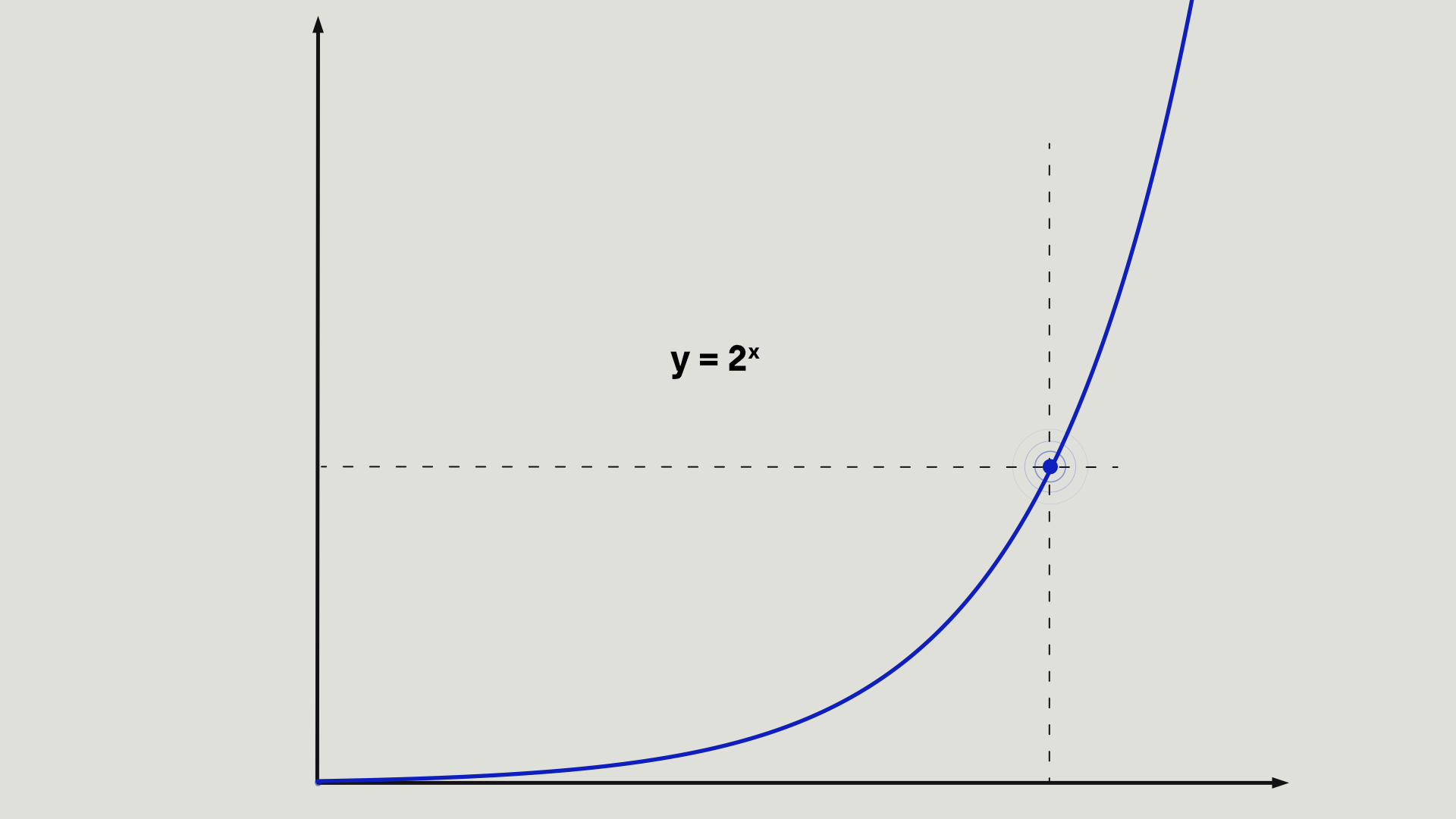
The same principle applies to organizations. Every new person in the system multiplies connections, dependencies, and communication pathways - exponentially.
By the middle of the chessboard - field 32 - most organizations have already lost the thread and control over their system. It is the point at which complexity has already taken over without anyone noticing.
Not at the end. In the middle.
What Growth Has to Do With Complexity
Organizations that have experienced strong growth share a common observation.
Structures that worked at 20 employees no longer work at 60, because the entire workflow has changed. When that tipping point arrives depends on the sector, the speed of growth, the nature of the work. But the point always comes.
The reason can be illustrated mathematically. Every new person in the system multiplies connections, dependencies, and communication pathways. The formula is simple: n(n-1)/2. At 10 employees there are 45 possible connections. At 60 employees there are 1,770. Growing from 10 to 60 people - a sixfold increase in headcount - means a 39-fold increase in possible connections within the system.
Exponentiality in its purest form. Or: the physics of organization.
People begin to rely on others, which further amplifies complexity. Decisions that used to be made where the information was migrate upward - to the one person who still seems to have an overview.
The system centralizes itself automatically because the architecture was never consciously designed.
Adding People Is Not the Answer
The classic reaction: hire coordinators, assistants, and managers to manage complexity, and in doing so create more of it.
Personnel costs rise. Productivity per head falls. Overhead is like a hydra that generates more overhead. The company that grew to deliver more delivers less per person than before.
More revenue does not automatically mean more profit. More people do not automatically mean more output.
It is symptom management. The cause runs deeper.
Design is a scaling effect for work - when the design does not fit, people must compensate for the deficit.
Which decisions did you make last week that someone else should have made? How many were there?
The answer gives you a clue where your design problem lies.
The Perspective Shifts
Suddenly you begin to see the system with different eyes.
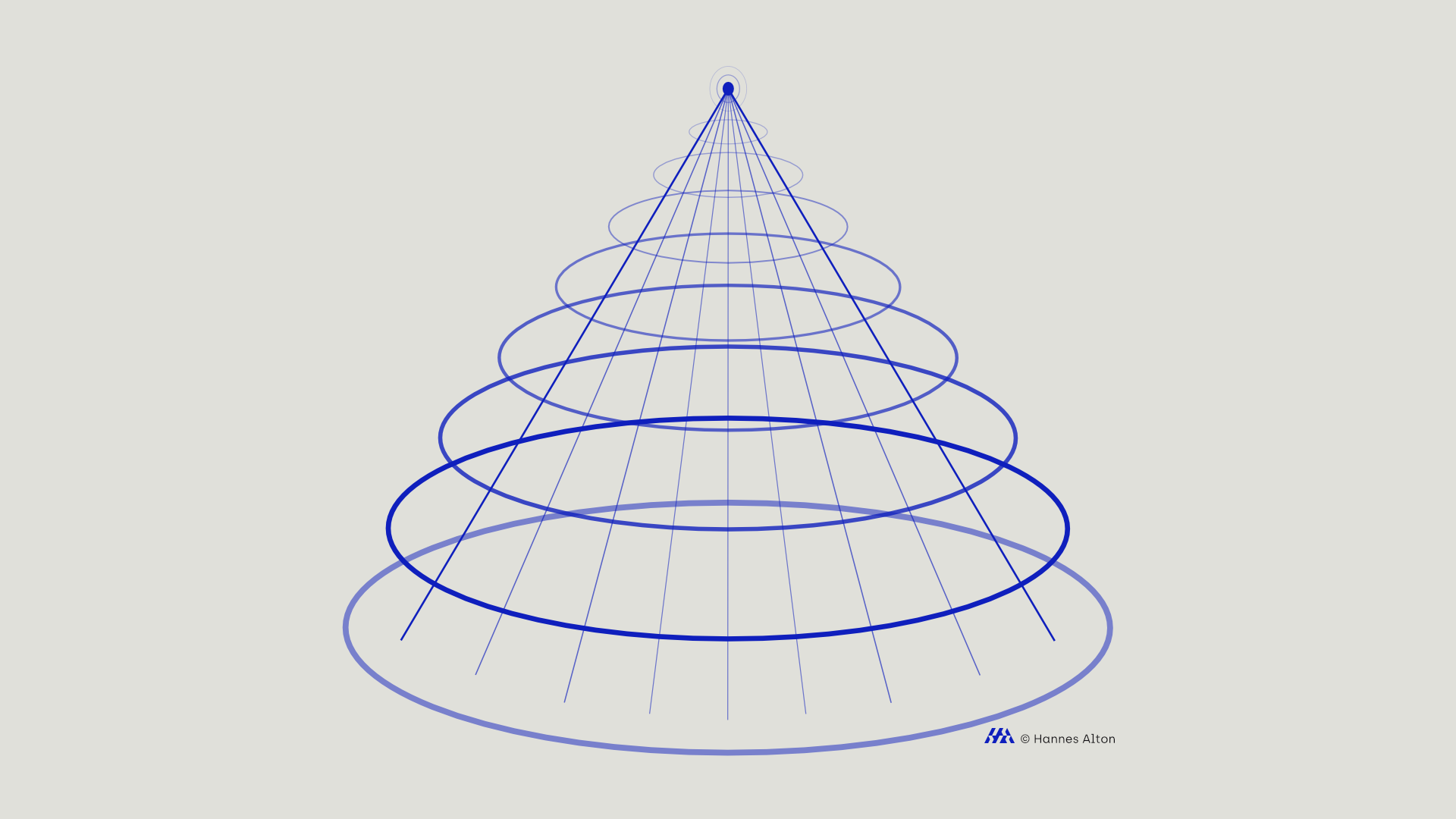
What was previously diagnosed as a motivation, leadership, or culture problem becomes a design challenge. Different questions begin to emerge - questions that lead to new insights and require a different approach.
Whoever sees the system as it actually is - not as it appears in the org chart - recognizes where the showstoppers are. Then the real work begins. Not on the people, but on the system. On the organizational architecture that shapes the behavior of people within it, makes leadership easier, and determines how work flows through the system.
An organization that recognizes this functions differently.
People in the system know who is responsible for what and are trusted, which means decisions are made where they are needed and where the necessary information exists. Leadership is less about hierarchical control and more about enabling and supporting.
Such organizations find the right balance between hierarchy and autonomy, between stability and adaptability. They recognize the future as a space of possibility and seize opportunities before others see them.
Complexity cannot be eliminated - it is consciously placed where it makes sense. An organization that understands this does not destabilize when uncertainty hits.
How the architecture of the organization should ultimately look and what properties it should have is a design decision.
At the Beginning Stands Recognition
All of this is possible. But the journey does not begin with a new org chart. It begins with a clear picture of what the organization should look like.
The first and hardest step: seeing the system as it really is.
The point on the curve where everything tips comes sooner than expected. Most of the time it has already been crossed by the time you first notice it. But it is not an endpoint - it is the moment from which a different way of designing becomes possible.
The point on the curve where everything tips comes sooner than expected. Most of the time it has already been crossed by the time you first notice it. What you do with that recognition is a design decision.
At what size did your organization first feel like it was working against you- rather than for you?
If you are in the middle of it right now - reach out. Most of the time, a conversation is the first step.